Skip the domestic flight. Experience Peru's dramatic geography changing from coast to Andes on this epic overland journey to Machu Picchu's gateway city.
Most travelers fly this route in 90 minutes. The 20-hour overland journey is for adventurers seeking the road less traveled.
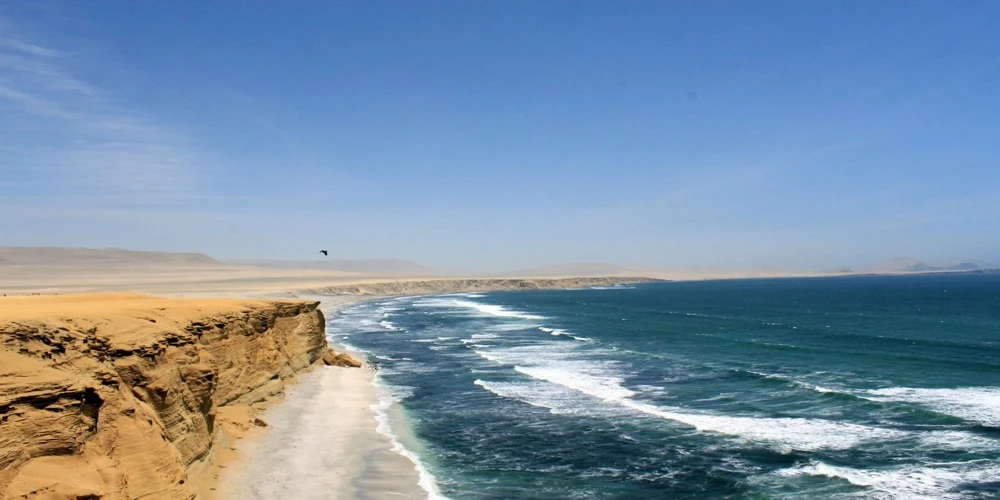
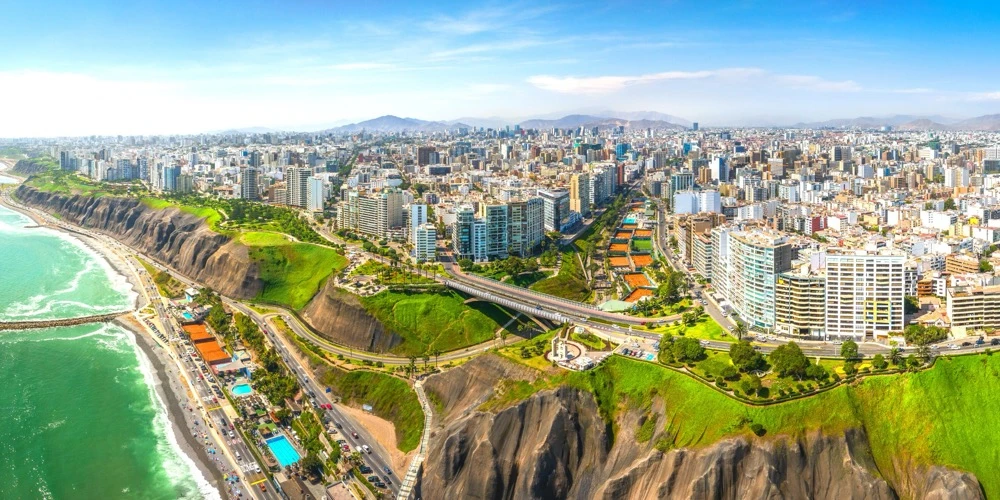
Watch the country transform: Pacific coast to agricultural valleys to high desert to Andean mountains. You'll see Peru beyond tourist zones - small towns, roadside markets, landscapes Instagram never shows.
Flying to Cusco means going from sea level to 3,400 meters instantly. Driving lets your body adjust gradually as elevation increases. Many travelers find this reduces altitude sickness significantly.
Stop at Andean villages, try roadside roast chicken, photograph scenery. Private transfer means the journey bends to your interests, not airline schedules.
Some travelers avoid small planes or mountain turbulence. Overland is slower but keeps you grounded literally. Plus you get an adventure most tourists skip.
Select the perfect vehicle for your transfer needs
Adventure seekers, altitude-sensitive travelers, small groups
Families, friend groups, those wanting more space
| Detail | Information |
|---|---|
| Route Start | Lima (any district) |
| Final Destination | Cusco city center |
| Total Distance | 1,100+ kilometers via various highway routes |
| Drive Duration | 20-24 hours with rest stops and overnight |
| Recommended Split | 2-day journey with overnight stop in Ayacucho or Abancay |
Peru's geography unfolds dramatically:
After 20+ hours of driving, Cusco feels earned rather than simply reached. The city spreads across a high valley surrounded by peaks, where Inca stonework still forms the foundation of colonial Spanish buildings. At 3,400 meters, altitude makes itself known immediately - walk slowly, drink coca tea, resist the urge to rush sightseeing. Cusco exists primarily as Machu Picchu base camp, but the city itself deserves days of exploration. You'll have stories of getting here that no flight passenger can match.
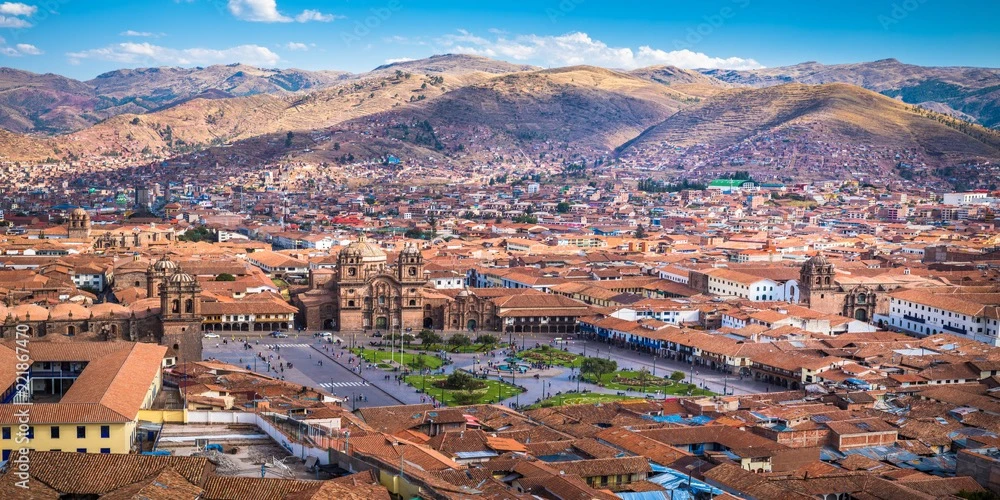
Plaza de Armas - Colonial square built atop Inca ceremonial grounds
Sacsayhuamán - Massive Inca fortress overlooking the city
San Blas - Artisan neighborhood with steep cobblestone streets
San Pedro Market - Authentic local market, tourist-free zones exist if you explore
Qorikancha - Temple of the Sun, finest Inca stonework still standing
Get instant mobile data with eSIM - No physical SIM card needed! Activate before you land and stay connected throughout your journey.
Helpful advice for your transfer
This cannot be done safely in one push. Plan overnight in Ayacucho (roughly halfway) or Abancay (closer to Cusco). Your driver knows safe, clean hotels. Budget $40-80 for overnight accommodation.
Snacks, water, hand sanitizer, toilet paper, layers for changing temperatures. Some highway stretches lack services for hours. Come prepared like you're crossing a small country - because you are.
Several passes exceed 4,500 meters. Some travelers feel winded or headachy at these elevations. Coca leaves, water, slow movements help. If you have heart conditions, consult doctors about high-altitude travel.
At $850+, this costs more than flying ($80-150). You're paying for 2-day driver time, fuel, vehicle wear, and overnight expenses. It's an adventure investment, not budget travel.
Find answers to common questions about our services.
The highways are generally good and well-traveled. Driving at night is not recommended (limited lighting, slower vehicles), which is why overnight stops are essential. Experienced drivers who know the route make this a manageable adventure.
Altitude acclimatization, fear of flying, genuine desire to see Peru beyond tourist zones, or simply wanting an adventure. It's not for everyone, but those who do it rarely regret the experience.
Absolutely. That's the advantage of private transfer. Want to see Ayacucho's churches, buy alpaca wool in mountain villages, or photograph landscapes? Your schedule allows it (within reason - you still need to reach overnight stops before dark).
Lima: sea level. Steady climb through foothills. Peak at 4,500+ meter passes. Descent into Cusco at 3,400m. Your body experiences gradual acclimatization versus flying's instant 3,400m jump.
No special permits for this route. Passports for hotel check-in. If you're renting vehicle yourself versus hiring driver, confirm insurance covers remote Andean highways.
Good question. Experienced drivers carry basic tools and know mechanics in larger towns. Serious medical issues require getting to nearest town with clinic. This is remote travel - some risk exists, managed by preparation and local knowledge.
Yes in towns and at roadside restaurants. Quality varies from excellent (Peruvian highway chicken is legendary) to basic. Bring snacks you trust for stretches between settlements.
Fly if you have limited time, standard comfort needs, or altitude concerns about gradual exposure. Drive if you want adventure, fear flying, crave authentic Peru experiences, or need gradual acclimatization. No wrong answer - depends on traveler type.
Explore other transfer options from Lima Historic Center.
Common companion trips: the return journey, same destination from other origins, and similar-distance options.