Travel south from Lima Airport to Nazca, home to the world's most enigmatic archaeological mystery. A 450 km journey through coastal desert to ancient geoglyphs visible only from the sky.
Nazca sits in the middle of Peru's coastal desert. Getting there means commitment. Make that commitment comfortable and flexible.
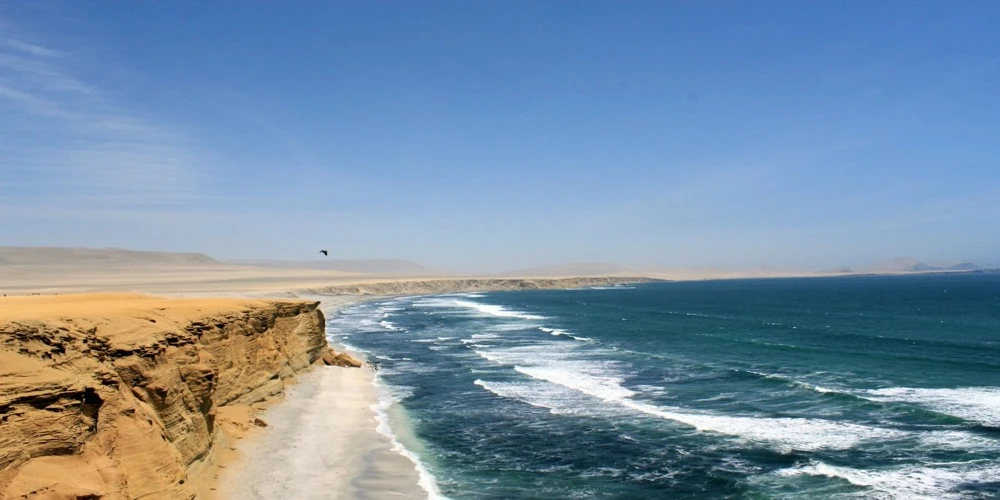
The Panamericana Sur cuts through the Atacama-adjacent desert. Endless sand, occasional oases, and the Pacific Ocean as your constant companion. It's starkly beautiful in a way Lima never shows you.
Paracas sits exactly halfway. Add 2-3 hours to visit Ballestas Islands or Paracas Reserve. Turn a transfer into two destinations without backtracking later. Most travelers who skip this regret it.
Land at Lima, transfer to Nazca, take morning overflight when conditions are perfect, then continue your Peru itinerary. We coordinate timing with flight companies to maximize your schedule efficiency.
Nazca town is small and frankly underwhelming beyond the lines. But your driver knows the good restaurants, the cemetery with exposed mummies, the aqueducts that still function after 1,500 years. See what independent travelers miss.
Select the perfect vehicle for your transfer needs
Couples, solo travelers with companions, budget-conscious
Families, groups, extra comfort for desert highway
Large groups, archaeology tour parties, multi-generational families
| Detail | Information |
|---|---|
| Departure | Jorge Chávez International Airport, Lima |
| Arrival | Nazca town center or your hotel |
| Distance | 450 kilometers via Panamericana Sur |
| Duration | 6-7 hours direct, 8-9 hours with Paracas stop |
| Route Type | Modern highway through coastal desert |
The southern coastal highway reveals Peru's desert character:
Let's be honest: Nazca is about one thing - the Lines. These massive geoglyphs (monkey, hummingbird, spider, astronaut, and dozens more) carved into the desert floor between 500 BCE and 500 CE remain archaeology's great mystery. Why did the Nazca culture create images visible only from the sky, centuries before flight existed? Aliens? Astronomy? Water worship? Religious ceremonies? Nobody knows for certain. You'll take a 30-45 minute flight in a small plane (book separately) to see them properly - the only way to appreciate their scale and precision. The flight is intense (small plane, lots of banking turns, some people get queasy) but absolutely worth it. Beyond the lines, Nazca offers the Chauchilla Cemetery (pre-Inca mummies exposed in the desert), the Cantalloc Aqueducts (ancient underground water channels still functioning), and Maria Reiche Museum (German mathematician who dedicated her life to studying the lines). The town itself? Basic. Think one main street, a few decent restaurants, hotels ranging from backpacker to midrange. You're here for mystery, not luxury.
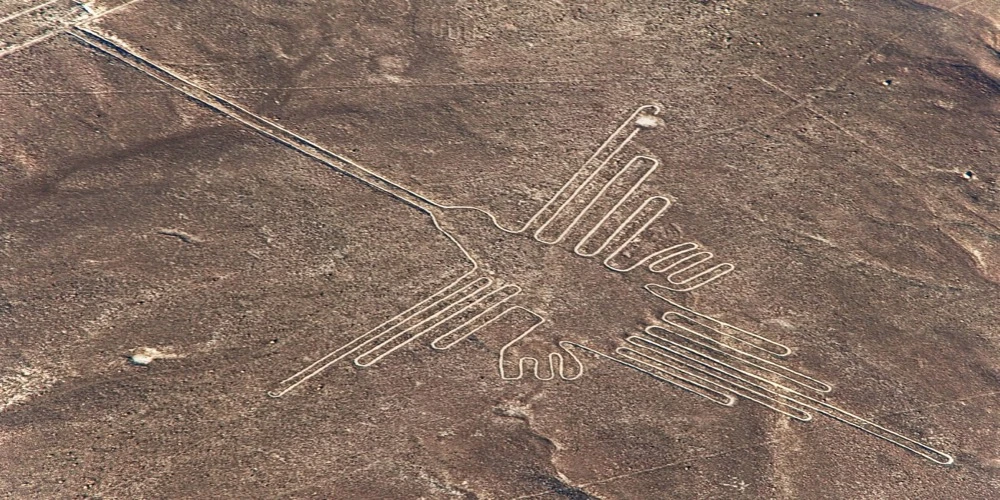
Nazca Lines Overflight - See monkey, hummingbird, astronaut, spider from small aircraft
Mirador Viewpoint - Ground-level view of tree and hands geoglyphs from observation tower
Chauchilla Cemetery - Pre-Inca mummies exposed in open graves, haunting and fascinating
Cantalloc Aqueducts - Ancient underground water system still functional after 1,500 years
Maria Reiche Museum - Life's work of the woman who preserved and studied the lines
Cahuachi Pyramids - Ceremonial center of Nazca civilization, rarely visited
Pottery Workshops - See artisans recreate ancient Nazca geometric designs
Planetarium Tour - Evening astronomy explanation of celestial line alignments

Get instant mobile data with eSIM - No physical SIM card needed! Activate before you land and stay connected throughout your journey.
Helpful advice for your transfer
Book the Nazca Lines overflight separately - it's not included in transfer price. Cost: $80-120 per person depending on company and season. Morning flights (7-9 AM) offer best visibility and calmest air. Book before you arrive; flights fill up during high season (June-August).
The overflight involves lots of banking turns so both sides of the plane see each geoglyph. Take motion sickness medication 30 minutes before the flight even if you don't normally get sick. Empty stomach is better than full. Some people handle it fine; others struggle.
If you have time, yes. Ballestas Islands boat tour (2 hours) is incredible wildlife viewing. Paracas Reserve (1-2 hours) offers stunning desert-meets-ocean scenery. Add 3-4 hours total to your transfer. Worth it unless you're returning this way later.
La Taberna is the standout - Peruvian classics done well. El Huarango for pisco sours and sunset views. Avoid the aggressive touts near the bus station. Your driver will recommend the current best spots (they rotate).
One night is sufficient if Nazca is just a stop on your south coast journey. Two nights if you want to see cemetery, aqueducts, and museum at a leisurely pace. More than two nights? You'll run out of activities.
From Nazca, Arequipa is 10 hours (mountain drive), Cusco is 14+ hours (brutal). Most travelers either return to Lima/Paracas or take a bus to Arequipa. Plan your onward transport before arriving.
Nazca is DESERT. Intense sun, zero humidity, dry heat. Bring serious sunscreen (SPF 50+), hat, sunglasses, and lip balm. The reflection off sand and white roads intensifies UV exposure.
Nazca has ATMs but they're unreliable. Bring sufficient cash from Lima. Many small restaurants and shops don't accept cards. Budget $50-80 per day for meals, tours, and incidentals.
Find answers to common questions about our services.
Technically yes - there's a mirador (observation tower) along the highway where you can see two geoglyphs (tree and hands) from ground level. But it's deeply unsatisfying compared to the flight. The lines were meant to be seen from above. If budget or motion sickness prevents flying, consider whether Nazca is worth visiting.
Yes, though it doesn't always feel like it. These are small aircraft (6-12 passengers) with experienced pilots flying this route daily. Accidents are extremely rare. The scariest part is the turbulence and banking turns, not actual danger. Companies maintain high safety standards - this is their livelihood.
Depends on your total itinerary. If you're only going south to Nazca and returning, stop in Paracas on one leg (probably the return). If you're continuing south to Arequipa, stop at Paracas on your way to Nazca. Backtracking just for Paracas isn't efficient.
Year-round works since Nazca is desert (almost never rains). But May-September offers most consistent clear skies for overflights. December-March brings occasional clouds that can delay or cancel flights. Temperature-wise, it's always warm and dry.
Buses (Cruz del Sur or Oltursa) cost $25-35 and take 7-8 hours with frequent stops. They drop you at Nazca's bus terminal, requiring a taxi to your hotel. Private transfer costs significantly more but provides door-to-door service, flexibility to stop at Paracas, and comfort. Solo travelers should take the bus; groups of 3+ benefit from private transfer.
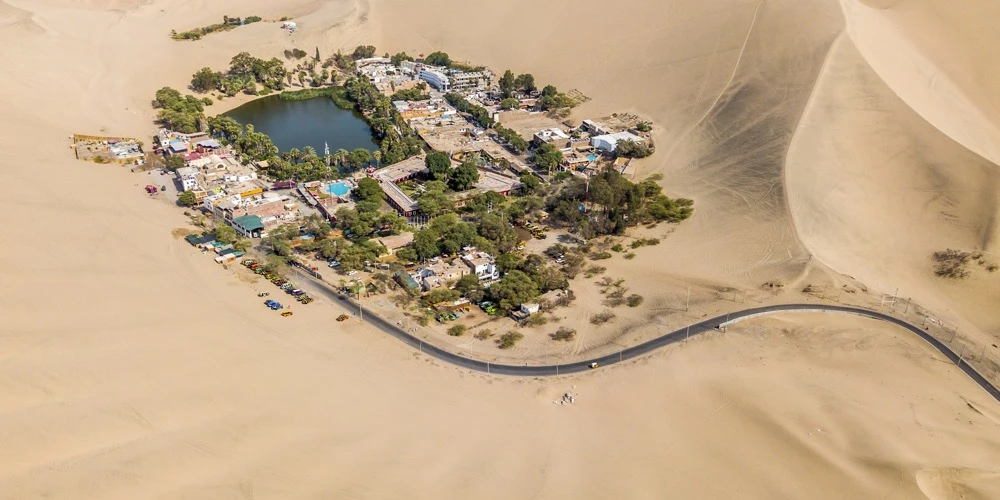
Huacachina (desert oasis with sand dunes) is 2 hours back north toward Lima, past Ica. It's not convenient from Nazca unless you're returning toward Lima anyway. Better to visit Huacachina as a stop between Lima and Nazca.
Generally yes - it's a small town dependent on tourism. Standard precautions apply: don't flash valuables, use hotel safes, avoid empty streets late at night. The persistent touts selling tours can be annoying but aren't dangerous. Your driver will warn you about any current issues.
You'll need to stay another night or accept missing the lines. Morning flights rarely cancel (clearest conditions), but afternoon flights sometimes scrub due to wind or clouds. This is why morning flights are strongly recommended.
Airlines allow children 3+ years old. However, consider whether your child can handle 30-45 minutes of banking turns without getting sick or scared. Many families with young kids skip the flight and just visit the mirador and other ground attractions.
Only 520 meters (1,700 feet) - no altitude concerns whatsoever. It's coastal desert. Save your altitude worries for Cusco and Arequipa later in your trip.
Explore other transfer options from Lima Airport.
Common companion trips: the return journey, same destination from other origins, and similar-distance options.